Real clients.
Real results.
Websites built for realtors who needed a presence that converts, e-commerce platforms for brands scaling beyond their current stack, and AI systems that automate the work no one should be doing manually.
Florida realtors who needed a site to match their track record.
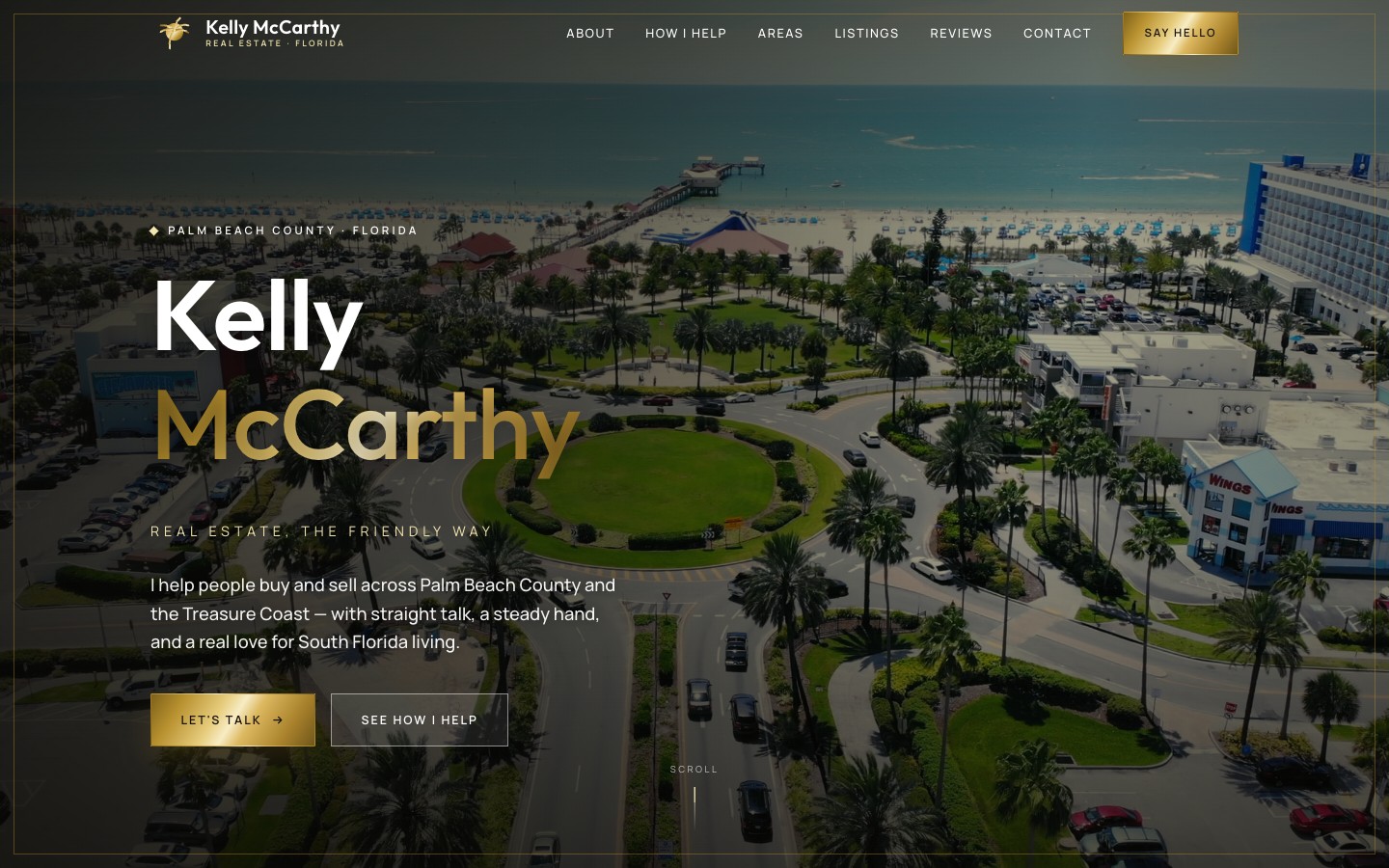
Kelly McCarthy personal brand site.
Kelly is a Palm Beach County realtor with 76+ five-star Google reviews and a reputation built on being genuinely reachable. The problem: no website that surfaced any of it. We built a trust-first personal brand platform that puts her review track record front and centre — designed so buyers and sellers have their questions answered before they ever pick up the phone.
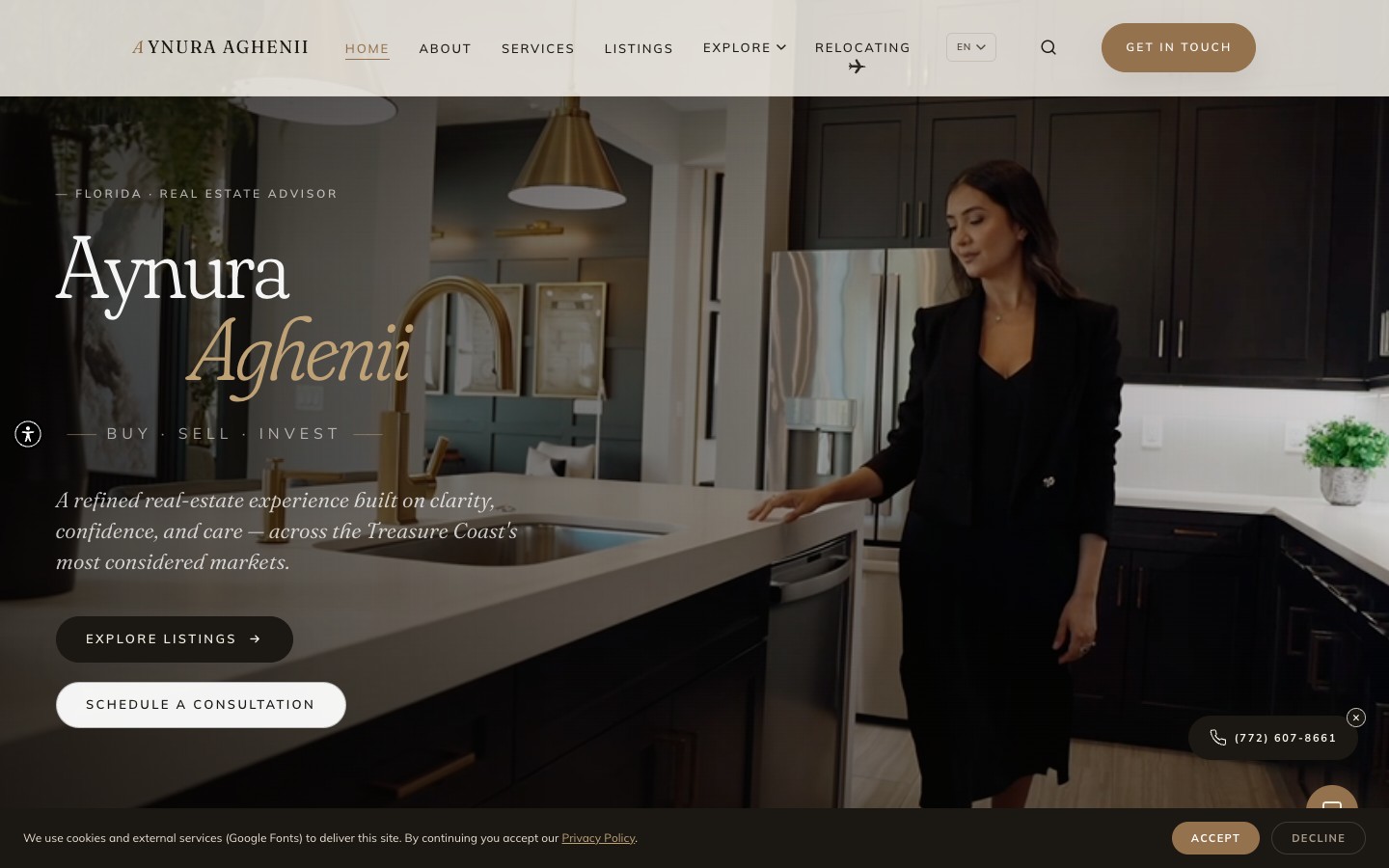
Aynura Aghenii luxury real estate presence.
Licensed Florida Realtor® with eXp Realty, specialising in luxury waterfront properties across Stuart, Jupiter, Palm Beach, Hutchinson Island, Port Saint Lucie, and Palm City. Strong results and a growing client base — but nothing online to match. We launched a premium personal brand site in under three weeks that hit 95+ on mobile PageSpeed from day one and started generating inbound enquiries immediately.
Michelle Courtney coastal real estate brand.
A seasoned New Jersey coastal market specialist covering North Wildwood, Wildwood, and Wildwood Crest. The brief: a premium digital presence that matched her local reputation and converted warm referrals into booked consultations. We delivered a full property showcase site with neighbourhood filtering, a featured listings grid, and a lead capture flow tuned for coastal buyers.


Daniel Alexis Perez luxury real estate presence.
A high-end real estate professional requiring a digital presence that speaks to luxury buyers and sellers. We built a sophisticated, conversion-focused platform with premium property showcases, a polished personal brand, and a seamless enquiry flow designed to generate qualified leads at the top of the market.
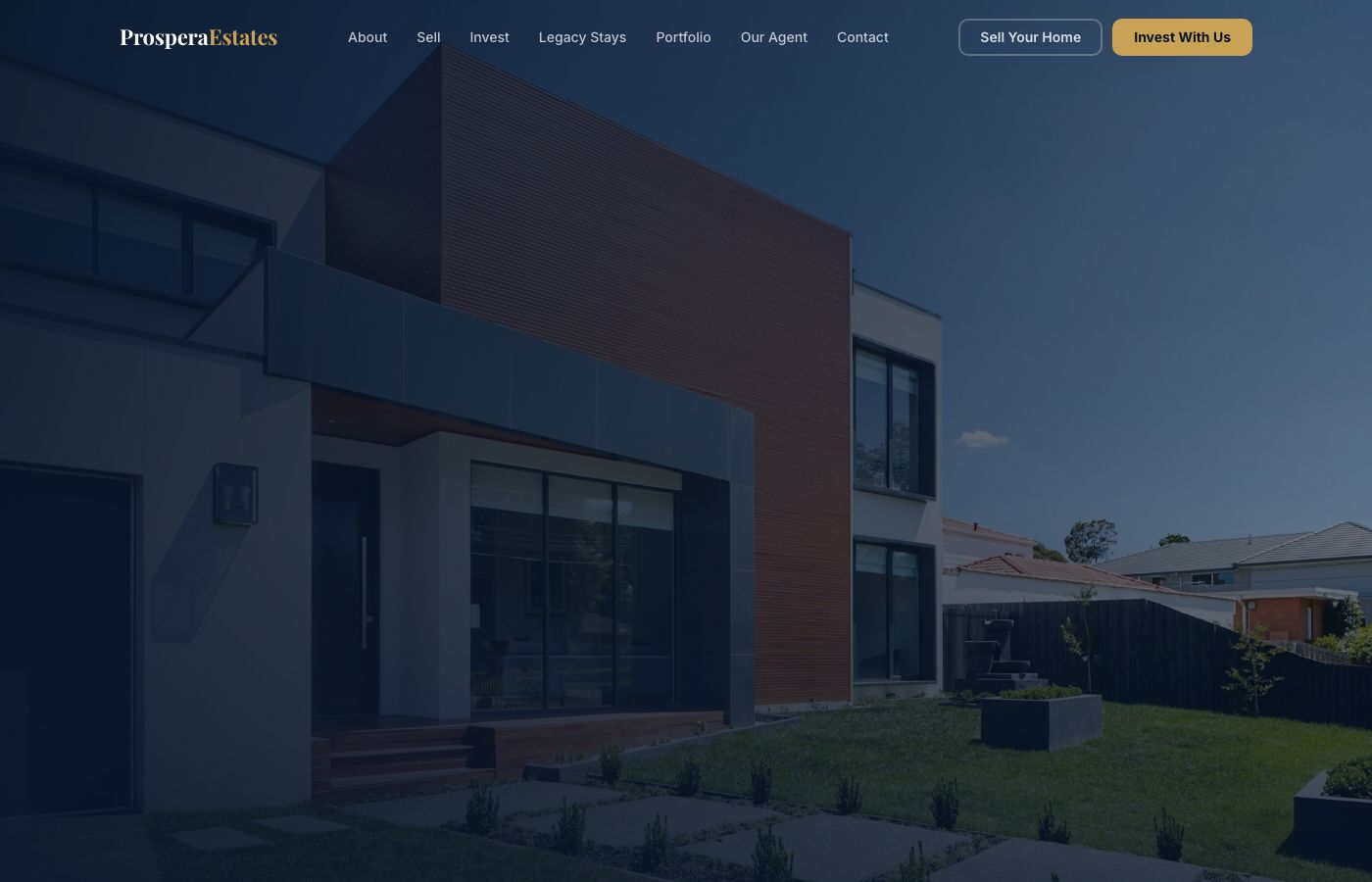
Prospera Estates investment platform.
A Florida-based firm that purchases homes at fair cash value and converts them into 5-star short-term rentals. Three distinct audiences — sellers, investors, and the exclusive Legacy Stays™ program — all served from one premium platform built for trust and conversion.
Platforms that perform at every layer.
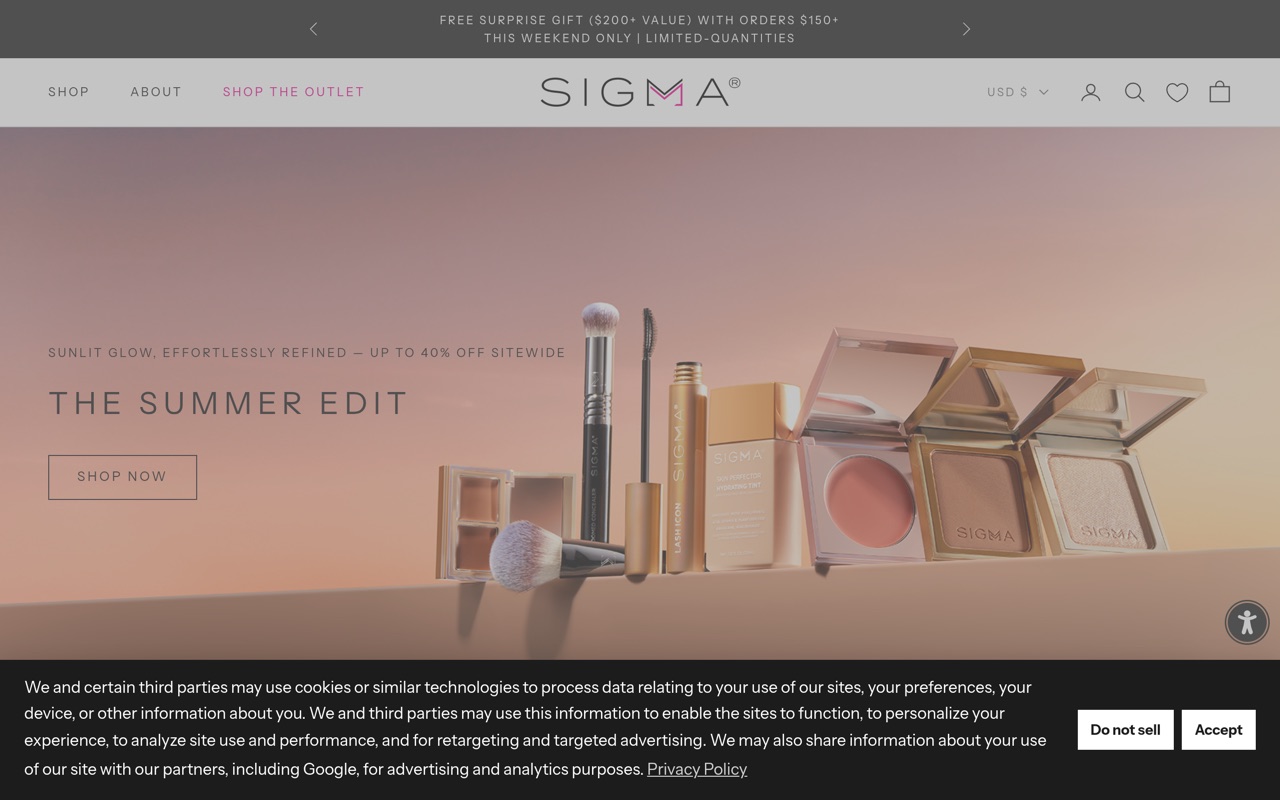
Sigma Beauty performance rebuild.
Science-backed makeup brush brand — award-winning products, stocked internationally. Their site was polishing bleeding revenue: mobile PageSpeed in the 30s, slow LCP on product pages, Google quietly deprioritising them. We fixed it without touching the design.
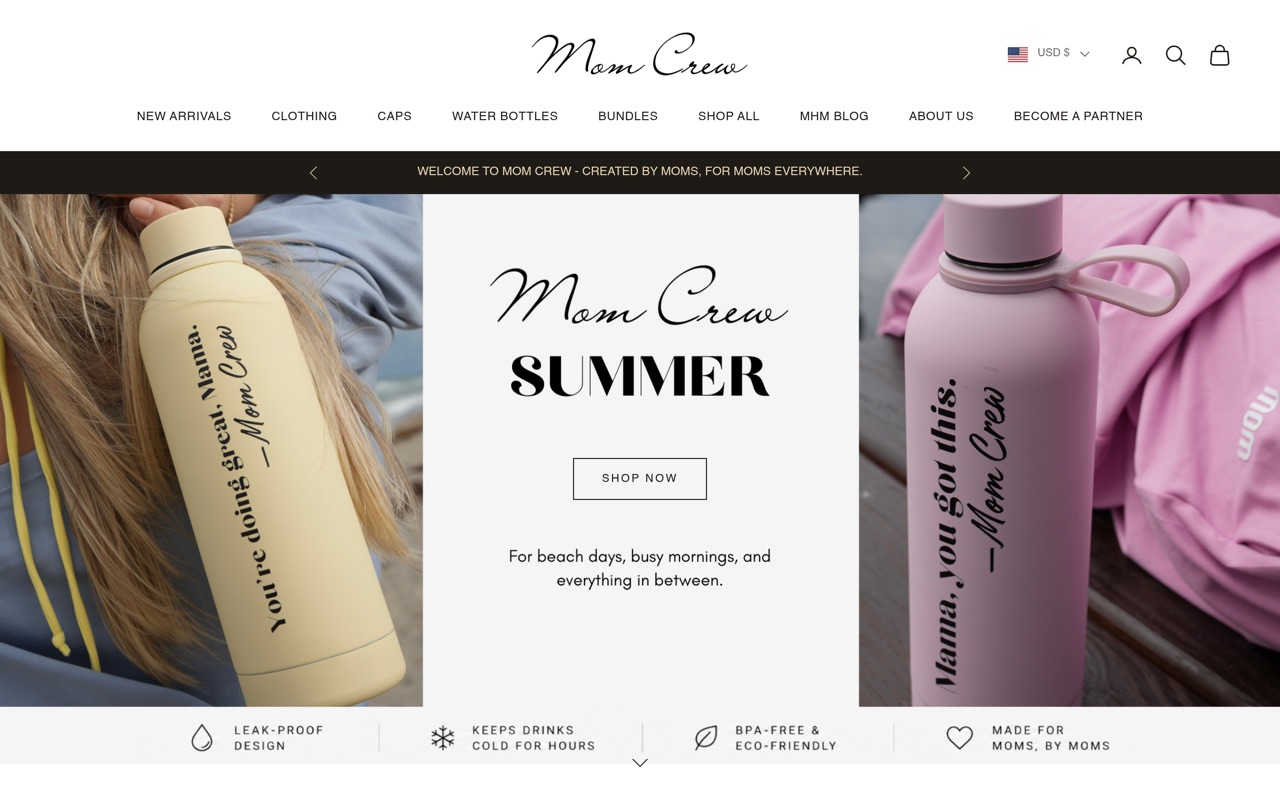
Mom Crew revenue growth.
A mom-founded lifestyle brand selling caps, tees, and accessories across 190+ countries with carbon-neutral fulfilment. Strong following but a site that wasn't converting. We rebuilt the storefront, fixed performance, and aligned acquisition to the improved funnel. Revenue followed.
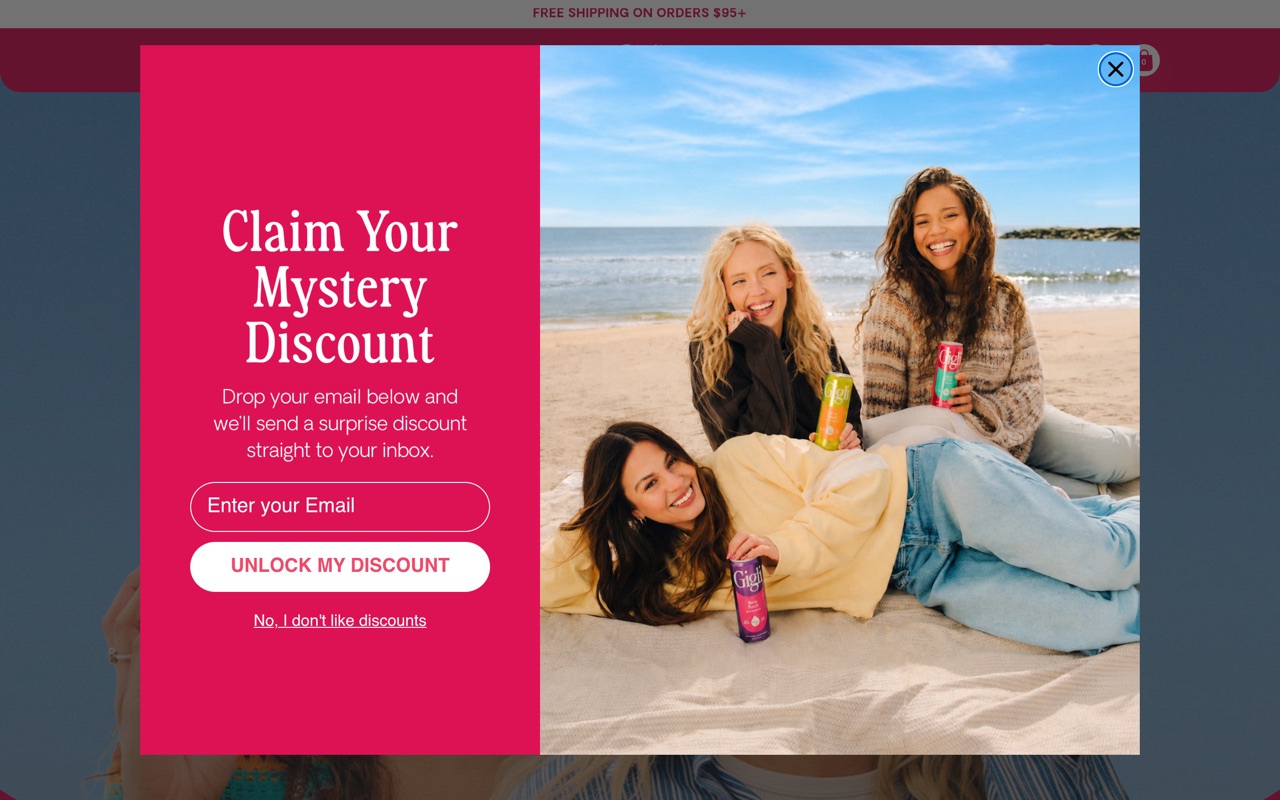
Gigli THC beverage store.
Hemp-derived THC beverages and edibles positioned as a premium hangover-free alcohol alternative — 8.5M+ cans sold. They were running on a generic Shopify theme that didn't reflect the brand at all. We built a bespoke DTC experience around their flavor-first identity.
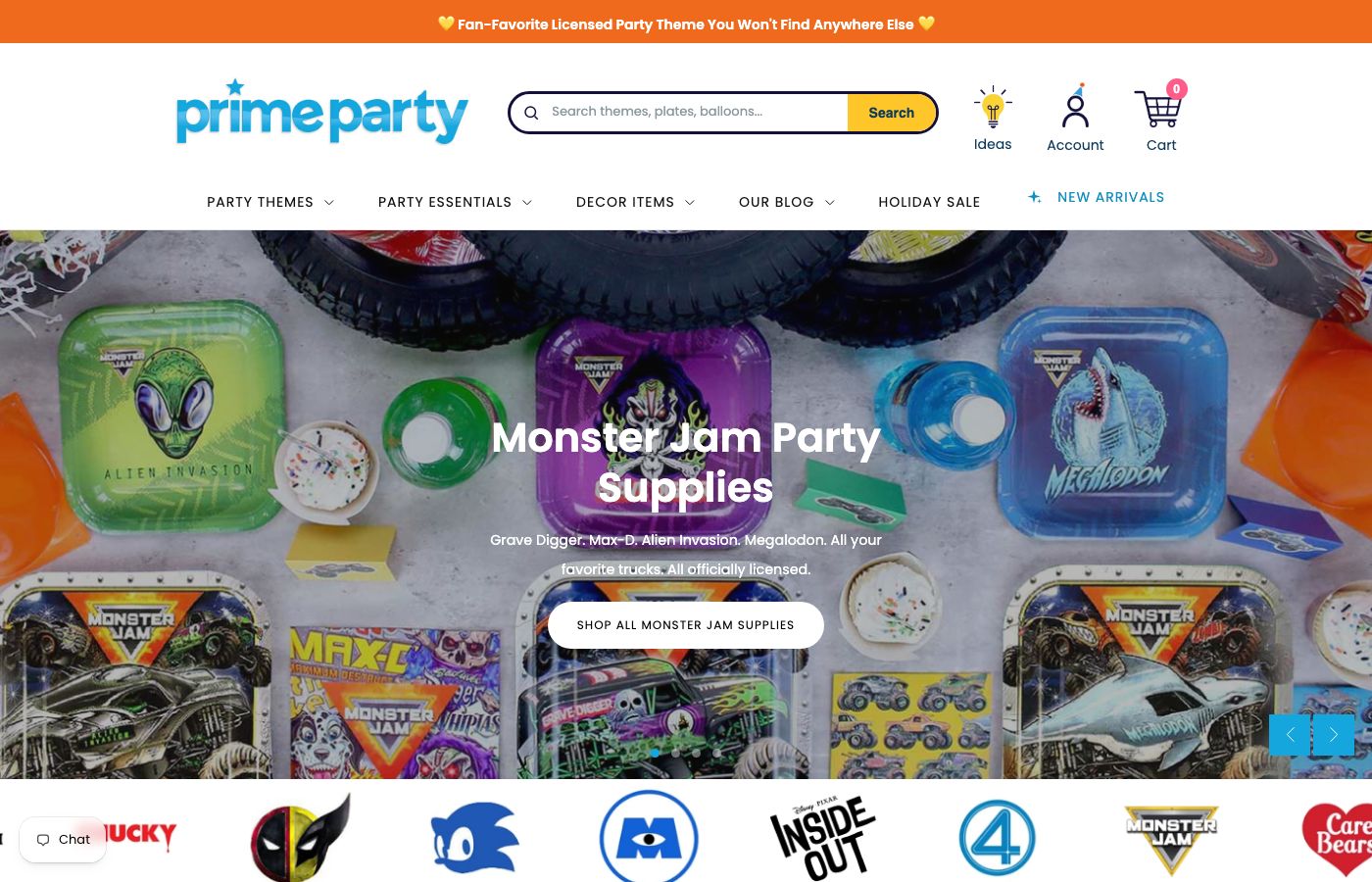
Prime Party licensed store.
Licensed party supplies for Monster Jam, The Office, Golden Girls, Ghostbusters, Care Bears, and more — 755+ reviews and press in Yahoo, NY Magazine, and Mental Floss. We built the full Shopify store from scratch: every template, collection page, and product page designed to match the energy of the licensed brands it carries.

Boketto restaurant & local SEO.
Award-winning MediterrAsian steakhouse by Kaskaid Hospitality in the heart of St. Louis Park's West End, Minneapolis. We built the full website — multiple menus, private dining (The Capri Room, 66 guests), OpenTable integration, loyalty program — and handled the full local SEO setup to rank for Minneapolis steakhouse and fine dining searches.
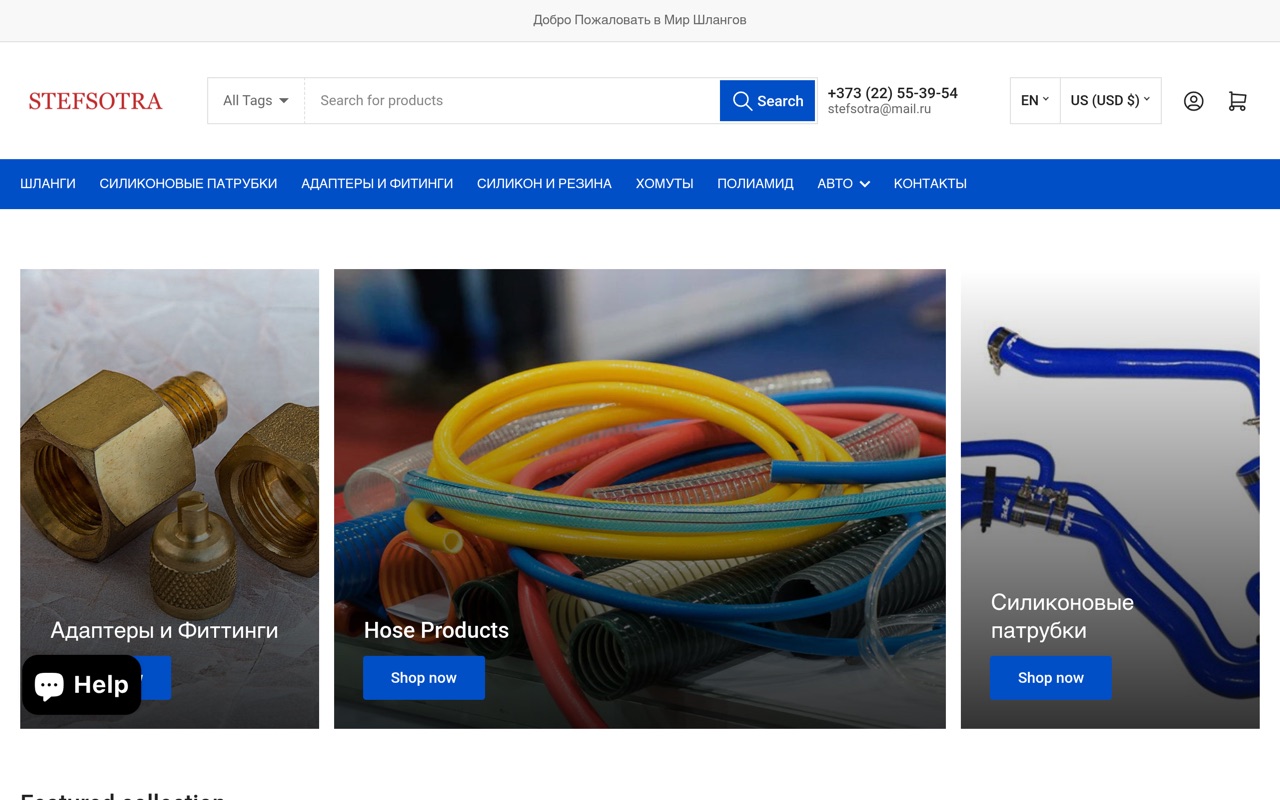
Stefsotra multi-country platform.
A Moldovan industrial supplier — hoses, fittings, rubber components — selling across 190+ countries. Their Shopify setup couldn't handle multi-currency pricing, country-specific tax rules, or their international order volumes. We rearchitected the whole platform and load-tested it before launch. Zero downtime since.
Midwest Heating & Cooling pitch preview.
5.0-star local HVAC contractor with 31 Google reviews and zero web presence — just a phone number. We built this pitch preview to show what a proper digital presence could do for their inbound leads.
Agents that handle the work that shouldn't need a human.
B2B SaaS sales triage.
60-person commercial team · 1,400 inbound leads/month
A Slack-native triage agent that enriches and scores every inbound lead against an ICP rubric in real time — booking qualified meetings via Calendly or escalating with a 3-bullet brief. Built and validated against 800 labeled historical leads before go-live.
DTC support copilot.
$30M+ GMV brand · Zendesk + Shopify
A Zendesk-integrated copilot doing RAG over their help center, past tickets, and live Shopify order data. Auto-resolves clear tickets; drafts replies for complex ones that agents approve in one click. Preceded by a 47-document knowledge-base audit.
Legal contract review.
40 attorneys · NDAs, vendor agreements, MSAs
An agent trained on five years of the firm's own redlines. Reads incoming contracts, flags deviations from standard positions, and drafts a redline that associates finalize. Every suggestion is logged with source and reasoning — held up under malpractice insurer review.
Marketplace listing moderation.
200K listings/month · multimodal review
A multimodal agent reviewing each new listing's text and images against 23 formalized policy categories. Clean listings auto-approve in under 5 seconds. Borderline cases route to a human with the agent's reasoning. Re-tunes weekly against moderator overrides.
Mid-market pipeline hygiene.
Salesforce · 5 years of data degradation
A nightly CRM agent: deduplicates accounts, re-enriches stale contacts, flags deals with no activity in 21+ days. Built with quarantine mode — all merges human-reviewed for three weeks before autonomous authority was granted. One-click rollback always available.
Apparel catalog content at scale.
3,200 SKUs · two-person content team
A Shopify-integrated content agent trained on three years of the brand's best-performing copy. Built against a 120-example brand voice eval set before running the full catalog. Content director accepted 94% of first drafts with minor edits.
B2B SaaS content pipeline.
One-person content team · Notion workflow
Content director submits a brief; the agent researches, pulls competitive landscape, and produces a publish-ready blog post, email version, and three LinkedIn variants. Brand voice module trained on 200 rated articles. "Better than most freelancers I've worked with."
Yours is next.
If any of these patterns match what your business needs, let's talk. The fastest way to find out is a quick conversation.
Start the conversation →